Case Studies
Where flexibility finds an opening, case by case
Close reads of specific US grids: regions, utilities, providers, and where demand flexibility finds an opening in each. Each case is reconstructed from utility filings and grid-operator data.
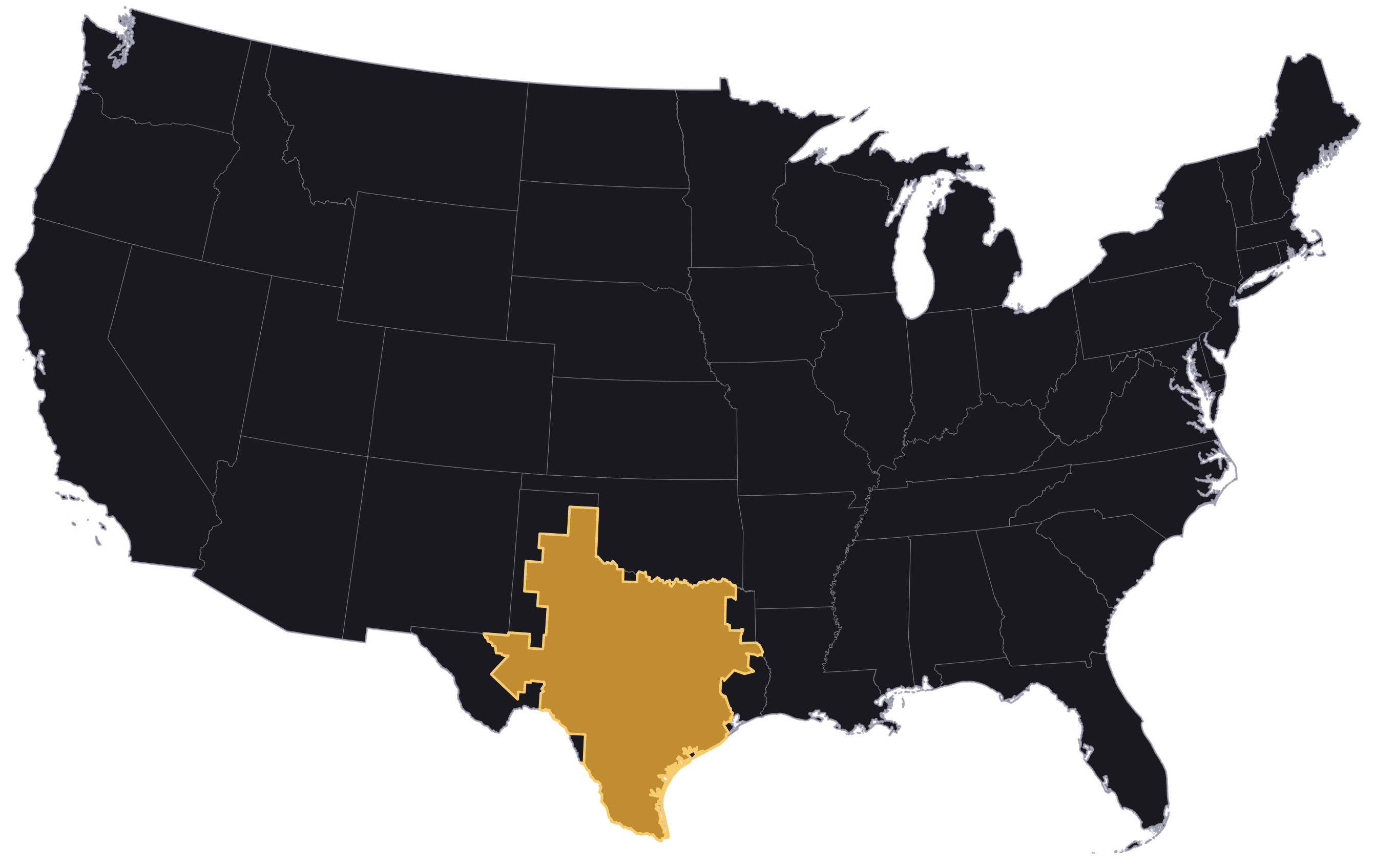 ERCOT (Texas)2026-08
ERCOT crossed an all-time demand record on a week without record heat, and said nothing. No emergency alert, no grid notice of any kind.
ERCOT's telemetry read 91,089 MW on July 22, 2026, past a record that had stood three years, while all five reference stations stayed at least three degrees below their own July heat records. The median hub observation across the record week was within a dollar of the week around the previous record, while the average and the 95th percentile were multiples apart. Solar supplied 30.1 GW in the record hour with the battery fleet still charging; storage set what was then its all-time discharge record three and a half hours later. What the public record shows about a quiet record, and the demand side it cannot measure at all.
Read the case study →
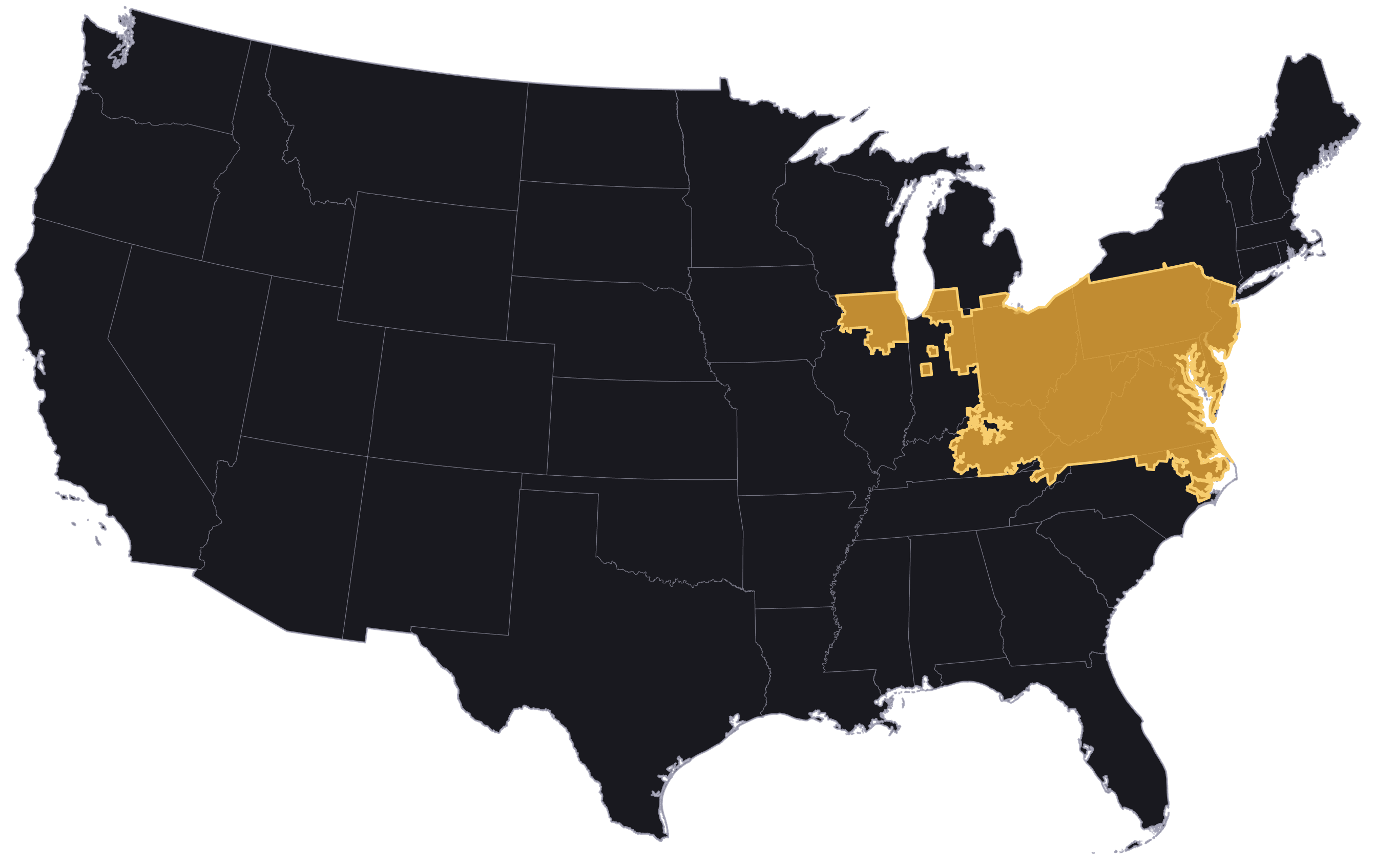 PJM Interconnection (RTO-wide)2026-07
The hottest day PJM ever measured, and the 2006 demand record held. PJM credits the demand side, in a year its auctions bought the least demand response in 15 years.
PJM estimates July 2 demand would have reached an all-time record, 168.2 GW; PJM's preliminary observed load was 162.6 GW instead, below the mark set in 2006, and PJM credits demand response with suppressing it, separately reporting roughly 6.1 GW of expected reductions, a provisional high in an event log going back to 1991. The delivery year covering that day had cleared the least demand response in 15 years at near-record capacity prices, yet offer volume was flat and registrations rose. What fell was the credit each nominated megawatt earns. What got called, what strained anyway, and what the next two capacity auctions decide.
Read the case study →
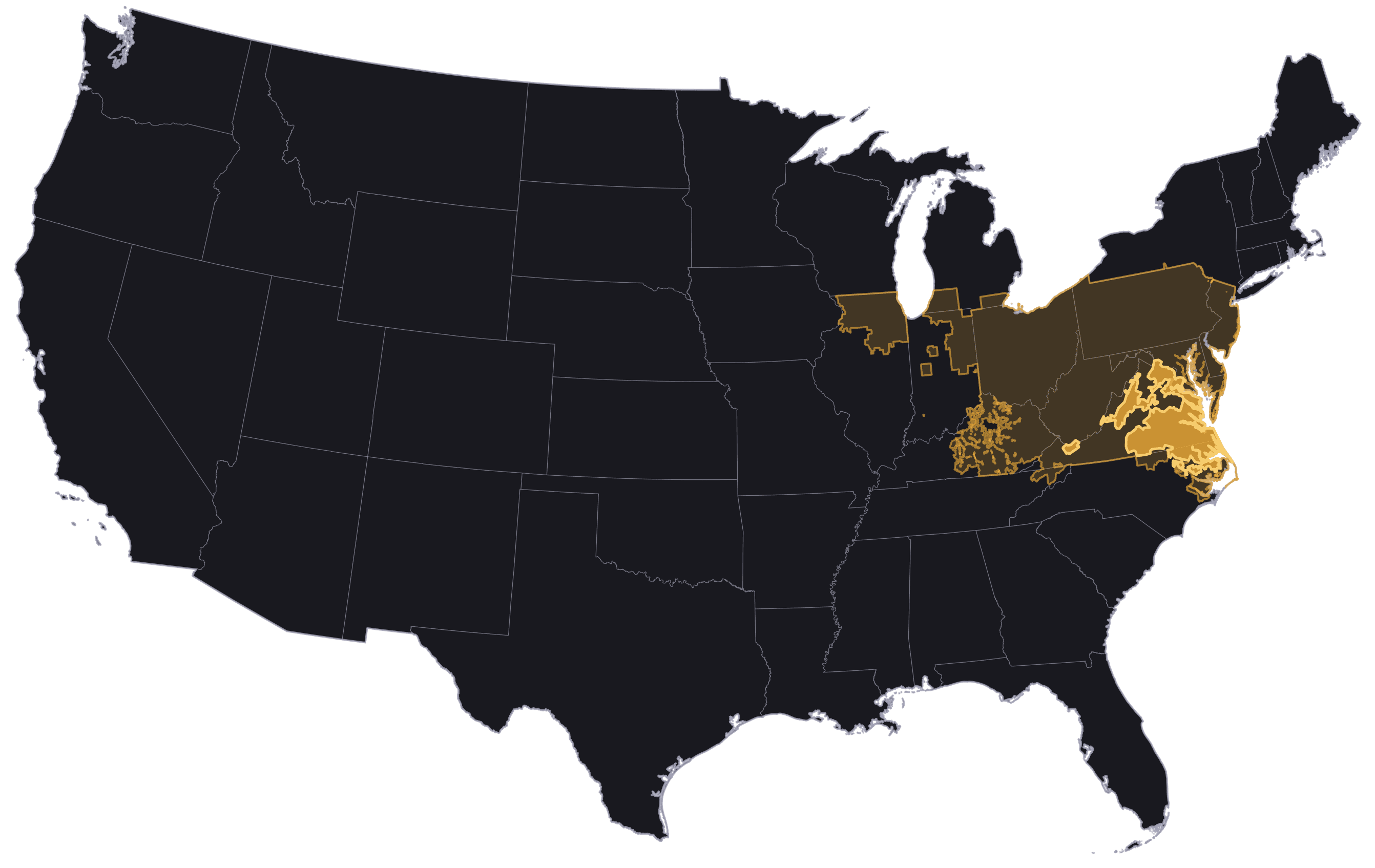 Dominion Virginia (PJM)2026-05
Data Center Alley growth is stressing the grid. Every customer class is paying more; residential is allocated the largest share.
Between June 2022 and June 2026, Dominion bills rose 34 to 38% across residential, commercial, and large-load customers alike, yet households are allocated roughly 53 to 55% of the transmission cost of the planned buildout (and about 48% of what is in rates today) and pay just over twice the large-load rate per kWh. Where the data-center buildout lands on bills across all three classes, what is scheduled next, and where demand flexibility could change the outcome.
Read the case study →
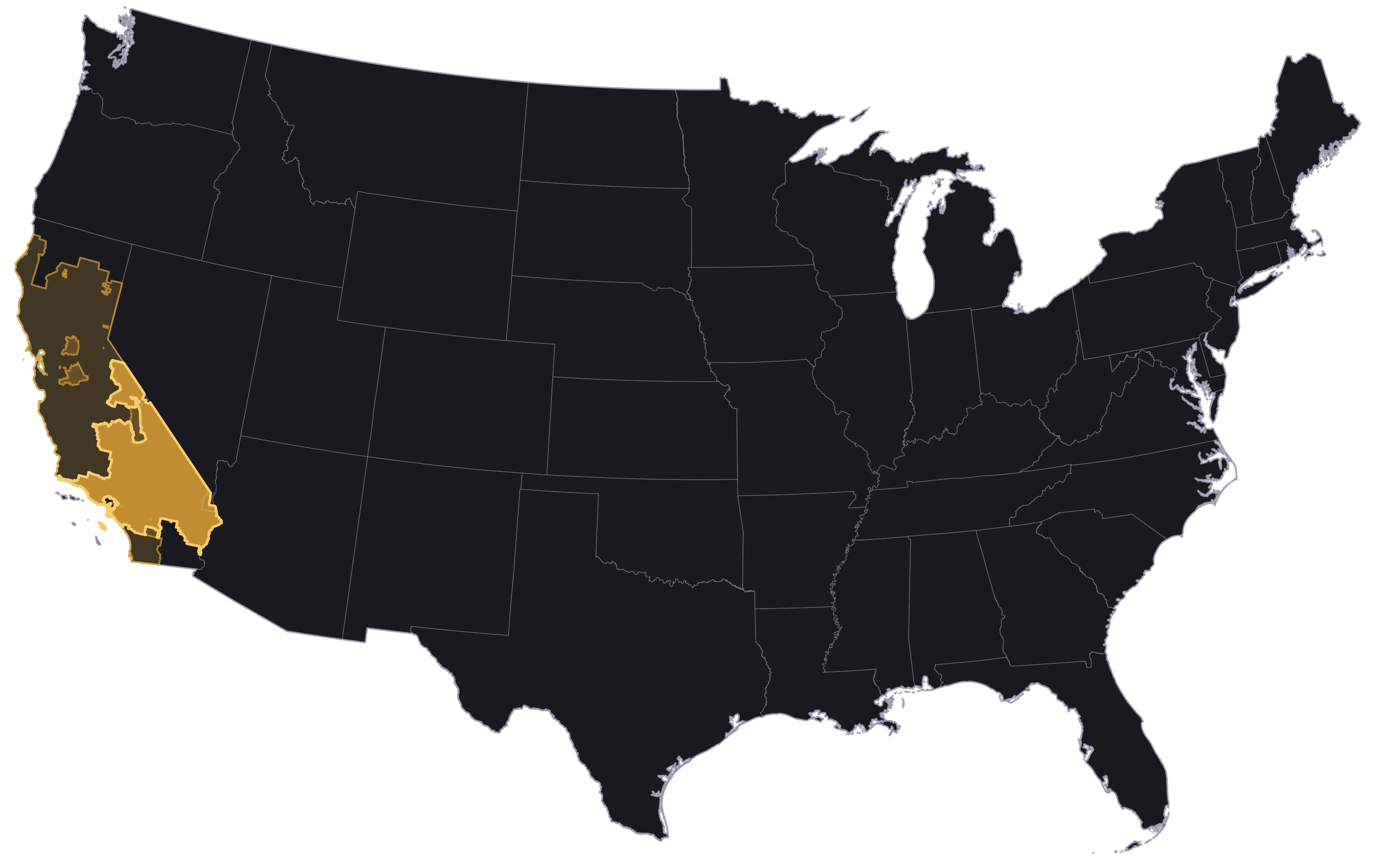 Southern California Edison (CAISO)2026-07
California scaled one of the largest US battery fleets by procuring it. The demand side is metered and eligible but has not been procured the same way.
Between 2020 and 2026 California scaled its battery fleet from about 0.6 GW to roughly 15 GW by ordering it, paying it for capacity, and financing it. The demand side already holds a few gigawatts of flexible capacity behind the meter (home batteries, EVs, smart devices), metered and market-eligible, yet almost none of it has been procured or dispatched at that scale. A look at the playbook that scaled storage and what pointing it at demand would add.
Read the case study →